Attic Insulation Requirements Most Homeowners Ignore
Attic Insulation Requirements
Introduction
From my field work, I see how an attic affects every home. When insulation meets Attic Insulation Requirements, it boosts energy efficiency and improves overall comfort. Proper insulation acts as a barrier for preventing heat loss in winter and holding cool air in summer, as explained by Natural Resources Canada. As a result, homeowners enjoy lower energy bills, a consistent temperature, and a reduced environmental footprint. At spaceinsulation.ca, we plan each job based on real site conditions, not guesses.
There are many types of attic insulation, so choosing the best choice depends on your needs. This guide looks at key factors like climate and roof design and compares common insulation types. With this approach, clients make an informed decision that matches their budget and comfort goals while meeting local Attic Insulation Requirements.
Factors to Consider When Choosing Attic Insulation
Climate
At spaceinsulation.ca, I plan every project based on climate. This is because Attic Insulation Requirements change from place to place. First, I study the local weather. Then, I match it with the recommended R-value. As a result, the home gets strong thermal resistance without wasting money. In my experience, attic insulation works best when it fits the local climate and the way heat moves through the roof.
Moreover, homes in cold regions need thicker insulation with higher R-values to reduce heat loss and control energy bills. I have seen many homes fail basic tests because the insulation did not match weather demands. Therefore, I always adjust the material and depth to real conditions, not guesses. This method keeps Attic Insulation Requirements practical and reliable for every homeowner.
Existing Insulation
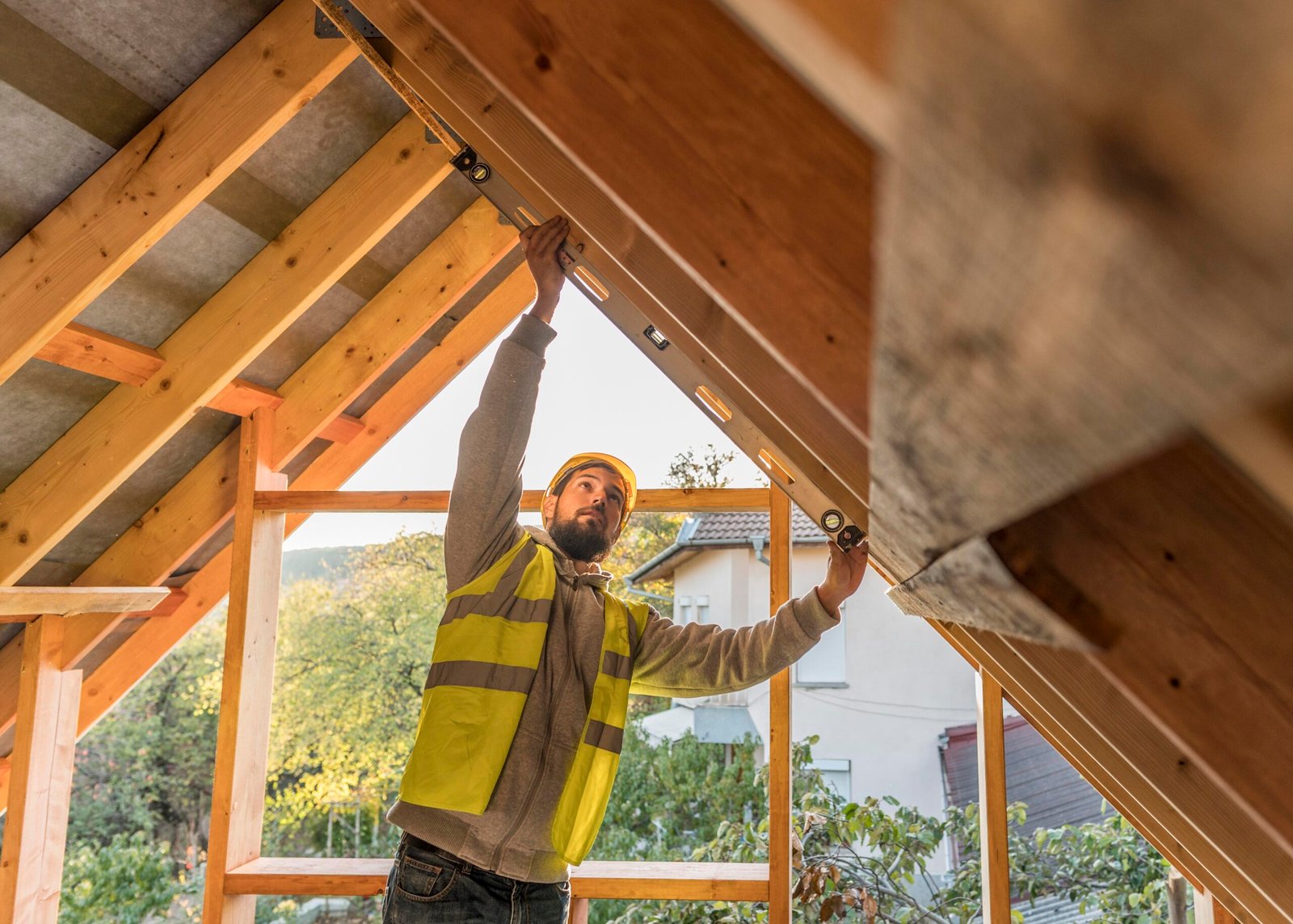
At spaceinsulation.ca, I review Existing insulation first because every home has a different type and condition that affects real Attic Insulation Requirements in any climate. In many older homes, I still find outdated insulation or insufficient insulation, so I decide whether to add insulation for better coverage or fully replace insulation to meet today’s performance needs, and this step keeps the system balanced with weather demands while improving comfort and energy use.
Budget
At spaceinsulation.ca, I plan projects around Budget because real Attic Insulation Requirements must fit what homeowners can spend and still work for their climate. Different attic insulation types have a different cost, and these prices can vary significantly based on material and labor, so I guide clients toward the best choice that supports comfort now and delivers long-term savings through lower energy bills and fewer future upgrades.
DIY vs. Professional Installation
At spaceinsulation.ca, I explain DIY installation and professional installation based on real Attic Insulation Requirements and weather demands. Many homeowners pick batt insulation because it is easier to install and works for small upgrades, but spray foam often requires professional installation to seal air gaps and control heat flow in harsh climates, so the right method depends on skill level, safety, and how well the system must perform against temperature changes.
Accessibility
At spaceinsulation.ca, I always check Accessibility first because real Attic Insulation Requirements depend on the ease of access to the attic before any work begins. Tight spaces or low clearance can influence which insulation type will perform best, so I help homeowners choose a solution that fits both the layout and the climate while keeping installation safe and effective.
Environmental Preferences
At spaceinsulation.ca, I often meet clients whose Environmental preferences shape their real Attic Insulation Requirements in changing weather conditions. Many environmentally conscious homeowners ask for eco-friendly options that still perform well in hot and cold seasons, so I recommend cellulose insulation because it uses recycled materials and supports both energy control and responsible building choices while fitting local climate needs.
Types of Attic Insulation Materials
Radiant Barrier
From my hands-on work at spaceinsulation.ca, I see that Attic Insulation Requirements change when people ask about special systems like a Radiant barrier, which works by reflecting radiant heat away from the home instead of trapping air like batts do. This method performs best in hot climates when it is placed under the roof deck, because it can cut heat gain and support real energy savings, but in cold climates it plays a smaller role and must be paired with standard insulation for full comfort, and I always warn clients that placement can be a tricky installation if the attic layout is tight or uneven.
Batt Insulation (Fiberglass and Mineral Wool)
At spaceinsulation.ca, I often suggest Batt insulation because it uses fiberglass or mineral wool and remains a common insulation choice that meets many Attic Insulation Requirements. These materials come as pre-cut batts or rolls that fit easily between joists in the attic, making them an affordable option with added fire resistance and a cost-effective way to control heat loss since they are readily available and easy to install. However, in irregular spaces, batts may not sit flat and can sag over time, which leads to reduced effectiveness if they are not installed with care and proper support.
Blown-in Insulation (Fiberglass, Cellulose, Mineral Wool)
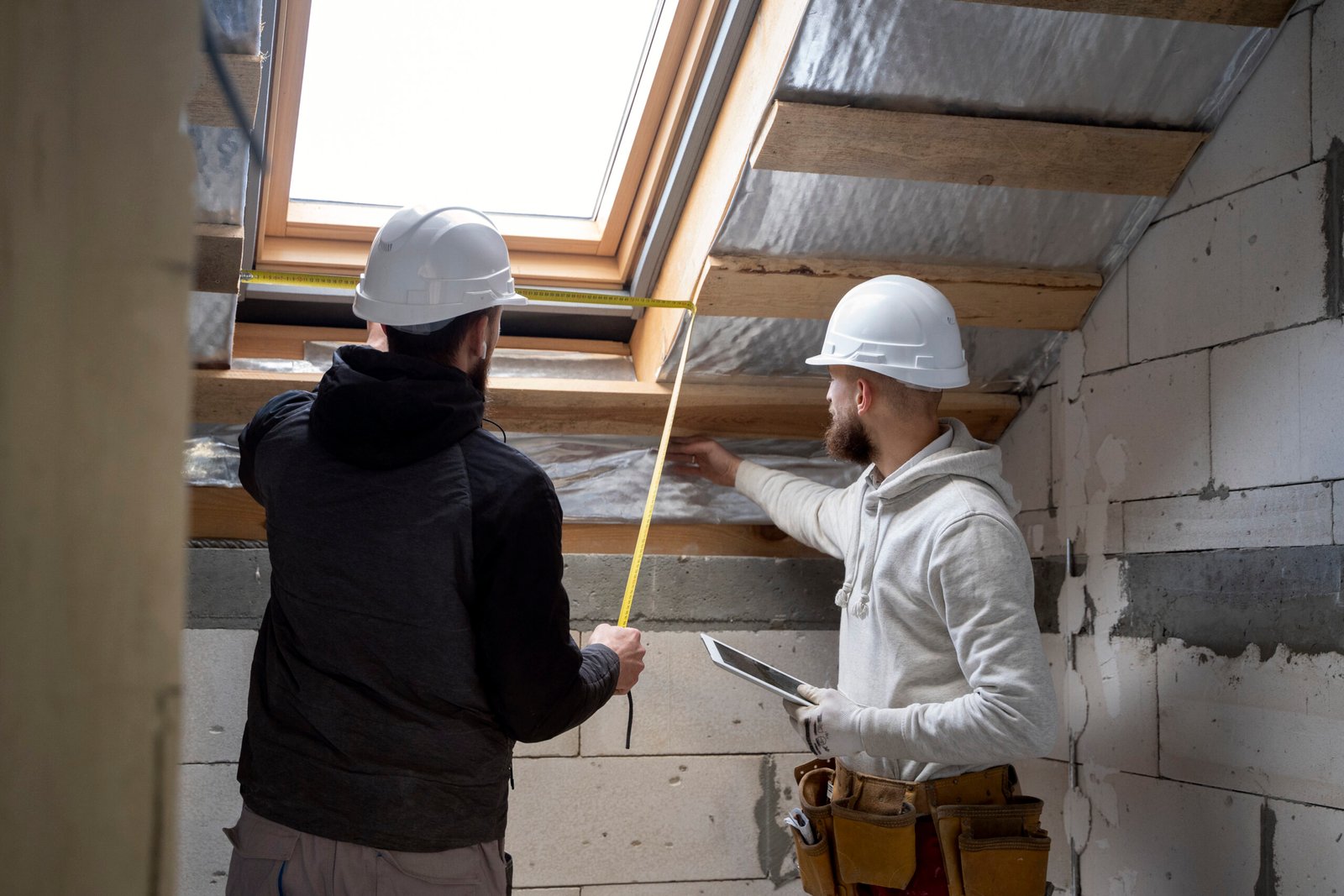
At spaceinsulation.ca, I often recommend Blown-in insulation because it uses fiberglass, cellulose, or mineral wool as loose fibers that a special machine spreads evenly across the attic, which helps meet modern Attic Insulation Requirements. This method works well for filling irregular spaces and covering existing insulation without major removal, and many clients like its eco-friendly properties since recycled paper is used in some blends, making it both effective and affordable. However, I explain that materials can settle over time, which may cause a reduced R-value, so in some cases professional installation ensures the depth stays correct and performance remains stable.
Smart Wrap-Up
From my work at spaceinsulation.ca, I see that proper attic insulation is a crucial investment for every homeowner who wants better energy efficiency, steady comfort, and higher overall value; however, results depend on key factors and the use of different insulation types to find the best option for each space. Over time, these choices deliver long-term benefits, create a well-insulated home, and reduce waste, especially when people rely on professional home insulation services for expert advice to assess needs, ensure proper installation, and reach optimal performance with real energy savings.